
The Future of UK Onshore Wind
Modernising Legacy Assets for the Next Generation

The Opportunity
As the first generation of UK onshore wind projects approach 20 years of operation, many sites occupy the country's most strategic, high wind locations but are limited by legacy technology. Output typically declines due to:
Technological Obsolescence: Older turbines cannot capture the same wind energy as modern blades.
Increased Downtime: Ageing components require more frequent repairs.
Higher Maintenance Costs: Escalating O&M expenses erode project margins.
Grid Compliance Challenges: Older systems often struggle with modern grid stability requirements.
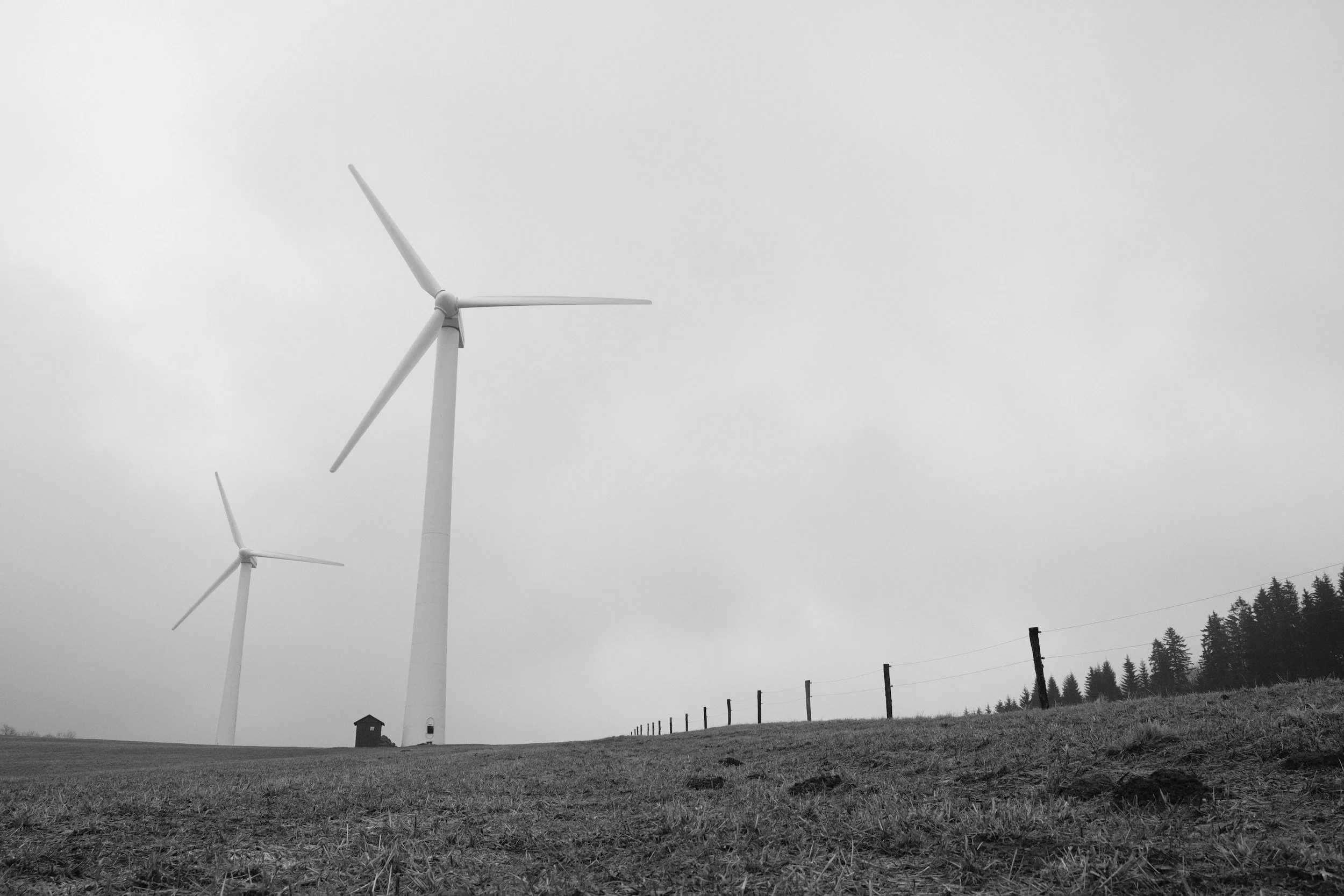
The Solution: Strategic Repowering
NextLife Generation specialises in the end-to-end repowering of these prime locations. By replacing outdated turbines with the latest high-efficiency models, we deliver:
Substantial Yield Uplift: Often achieving 3–5x more energy output from the same footprint.
Institutional Reliability: Modern turbines offer far greater availability and lower maintenance profiles.
Improved Capacity Factors: Advanced technology allows for consistent generation even in varying wind conditions.
Extended Asset Lifecycle: Resetting the clock on the site’s operational life for another 25–30 years.
Superior Financial Returns: Maximising the value of established infrastructure and grid connections.
Repowering represents the most efficient opportunity to scale UK renewable capacity while utilising existing, proven sites.